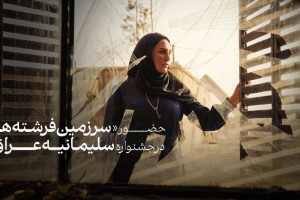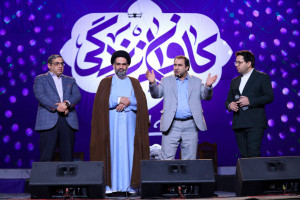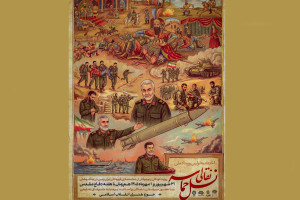
Telling the Stories of Iran’s Heroes of the Ramadan War
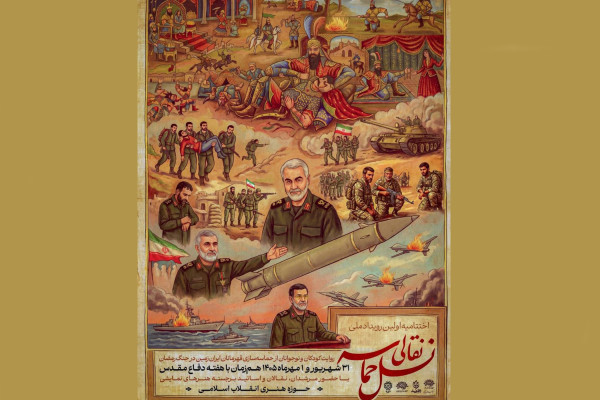
First “Epic Generation Storytelling” Event Held
Iranian sociologist Amanollah Gharai-Moghaddam says
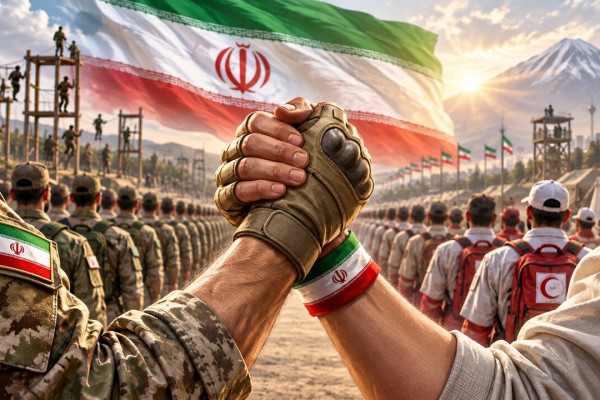
Amanollah Gharai-Moghaddam, a sociologist and university professor, views the broad public participation in the “Sacrifice for Iran” (Jan-Fada) campaign as a sign of Iranians’ historic attachment to their homeland, arguing that the response reflects a sense of national belonging that goes beyond short-lived emotional reactions.
Amanollah Gharai-Moghaddam, a sociologist and university professor, views the broad public participation in the “Sacrifice for Iran” (Jan-Fada) campaign as a sign of Iranians’ historic attachment to their homeland, arguing that the response reflects a sense of national belonging that goes beyond short-lived emotional reactions.
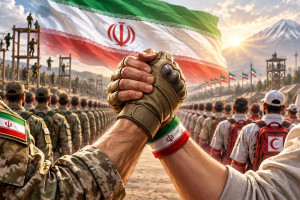
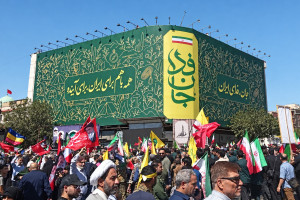
The “Sacrifice for Iran” (Jan-Fada) campaign was launched on March 29 with the aim of building a network of civilian volunteers prepared to respond in times of crisis. According to figures released by the campaign’s organizers, more than 31 million people have registered. The organizers have also said that 1,000 military and emergency-response battalions were organized and brought to completion in less than 100 minutes.
Gharai-Moghaddam describes the participation as “an important message of the historic solidarity of Iranians over their country and the protection of their homeland,” adding that this has been demonstrated repeatedly throughout Iran’s history.
The Homeland as Part of Iran’s Historical Identity
Gharai-Moghaddam argues that Iranians’ connection to the idea of the homeland has deep historical and cultural roots and should not be viewed merely as an emotional response to current circumstances.
Referring to the role of Persian language and literature in preserving national identity, he cites Ferdowsi, the renowned Iranian poet and author of the Shahnameh, Iran’s national epic, alongside other poets and writers whom he believes have contributed to preserving Iranian culture.
The sociologist emphasizes what he sees as the central place of the homeland in Iranian culture, saying: “The preservation and protection of the homeland is deeply rooted in the Iranian character. Given Iran’s long history, the relationship with the homeland is not simply an immediate, fleeting or emotional response.”
“Sacrifice for Iran” Goes Beyond Registration
Gharai-Moghaddam sees participation in the “Sacrifice for Iran” (Jan-Fada) campaign as a message about the readiness of part of Iranian society to defend the country. He argues that even economic and livelihood difficulties have not severed people’s attachment to their homeland.
Referring to the participation of different segments of society, he says: “This participation shows that the people of Iran, even when facing the most difficult economic and living conditions, are unwilling to surrender even an inch of their homeland to foreigners.”
The university professor also argues that the scale of participation has challenged views that Iranian society might be heading toward a breakdown in social cohesion. In his assessment, the trend points instead to stronger national solidarity.
A “Historical Record” of Solidarity
In concluding his remarks, Gharai-Moghaddam describes participation in the “Sacrifice for Iran” (Jan-Fada) campaign as more than a temporary phenomenon, saying: “In my view, this participation has become a historical record—a record showing how far the people of Iran are prepared to stand in defense of their country.”
He maintains that, in his view, Iranians will not abandon their homeland and that defending it remains an integral part of their national identity.
2026-09-20


T
T